








English
What is the intent of our English curriculum?
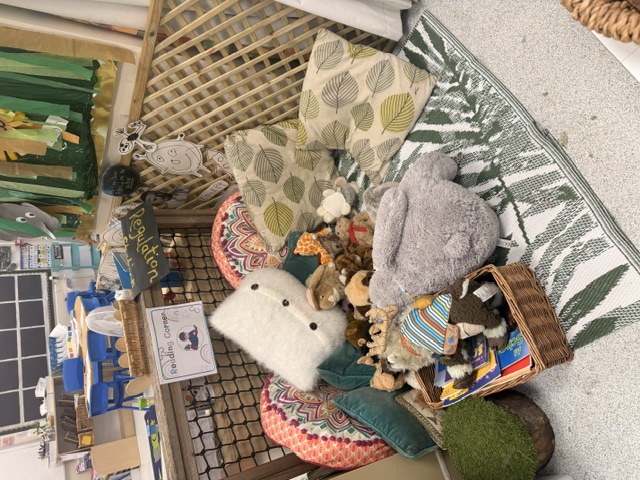
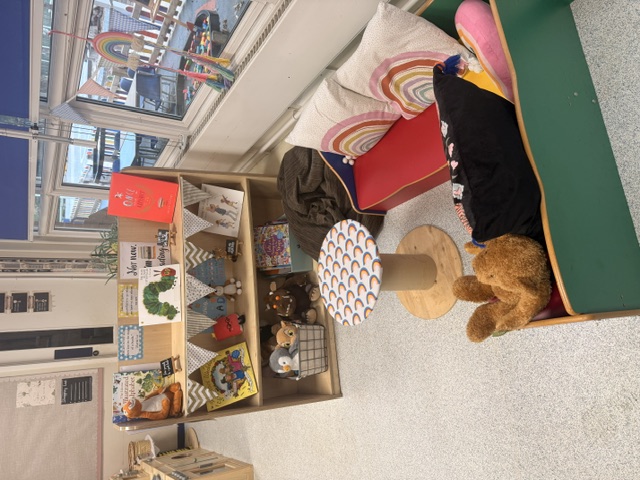
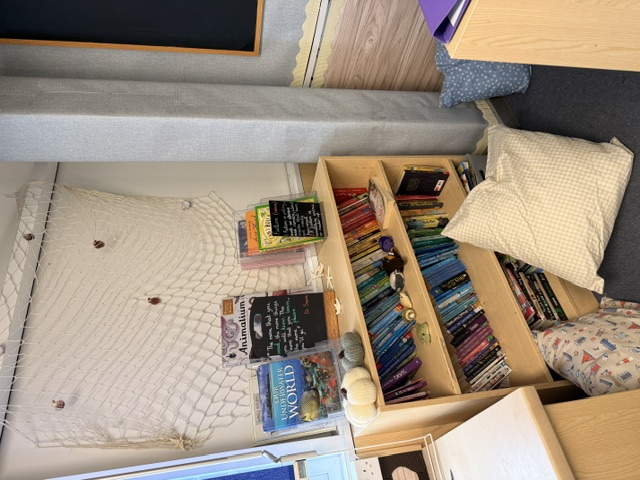
At Wentworth Primary School, we believe that a high-quality English curriculum equips pupils with the essential skills to succeed in secondary school and beyond. From EYFS through to Year 6, children are provided with rich and varied opportunities to develop their reading, writing and spoken language skills. By the end of Key Stage 2, pupils will read with fluency and prosody and show good understanding of what they have read. They will write clearly, accurately and coherently, adapting their tone and style across different genres of writing. They will acquire a broad vocabulary and seure understanding of grammar. Children will develop their oracy skills by making formal presentations, discussing ideas in pairs and groups and engaging in whole class discussions.
Our intent is to foster a lifelong love of language and literature enabling pupils to express themselves confidently and creatively while developing the literacy skills needed to access all areas of the curriculum.
How do we implement our English curriculum?
English is a multi-faceted subject with a range of specific knowledge and skills. This policy has been divided into sub-sections to clarify our approach to teaching and learning in this subject:
What is the impact of our English curriculum?
All Pupils:
At the end of Key Stage 2, pupils' attainment is above national averages for reading, grammar, punctuation and spelling and writing. At the end of Key Stage 1, pupils' attainment in phonics is above national averages.
DP/LAC:
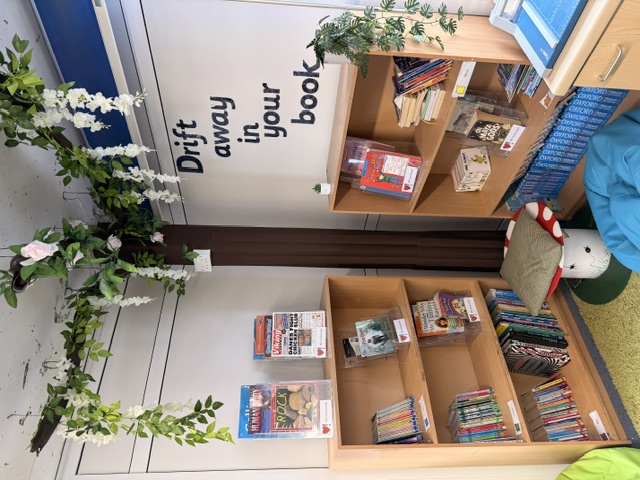
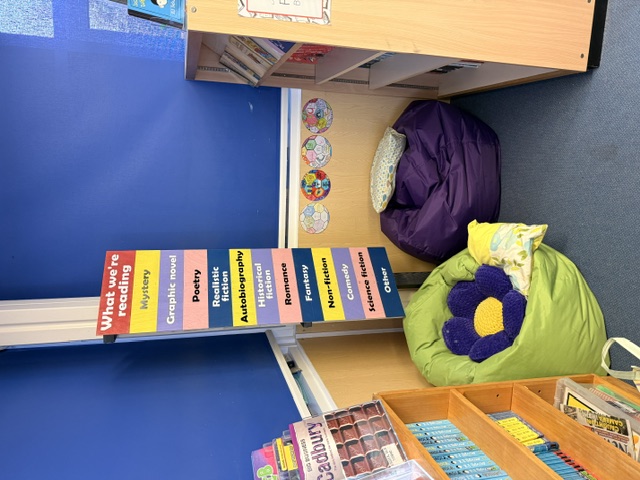
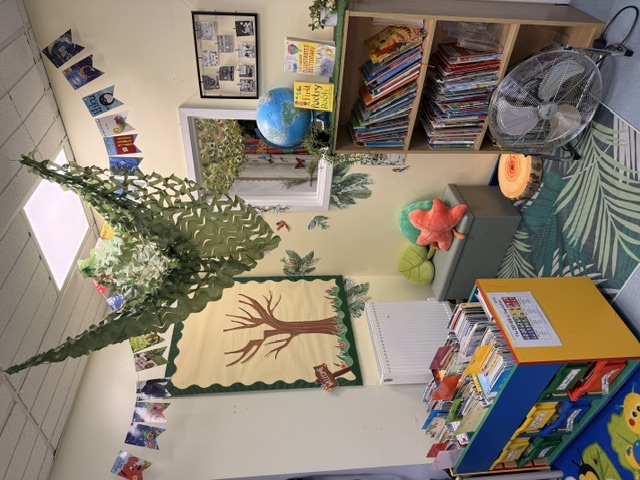
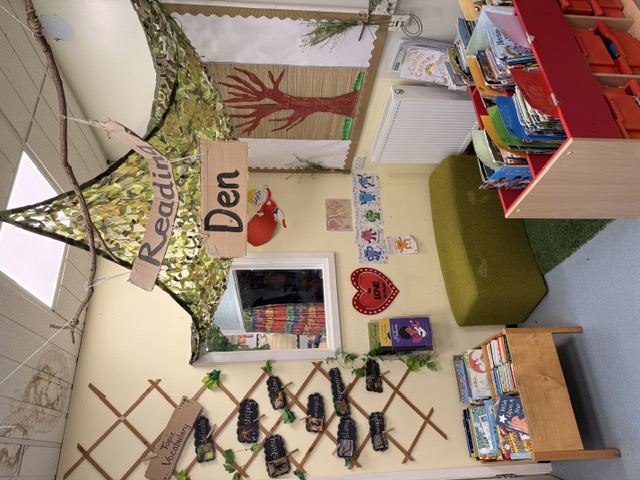
DP/LAC pupils make good progress from their starting points. DP/LAC pupils have access to a wide range of texts which they can read and borrow, opportunities to engage in visits to the library and local book shops, experiences such as author visits and time to develop the oracy skills.
SEND:
English lessons are adapted so that pupils with SEND are able to access the learning with their peers. This may include differentiated activities, targeted intervention support, adapted/modified equipment, etc.