

Phonics and Reading
Phonics and Reading at Wentworth Primary School
Intent
At Wentworth, we believe that all children can become fluent, confident readers. We recognise the importance of reading as a foundation for success in later education, which is why reading is at the heart of our curriculum.
The teaching of reading is divided into two processes—decoding (word reading) and comprehension (understanding of texts). Children need both good language comprehension and secure word reading to become good readers.
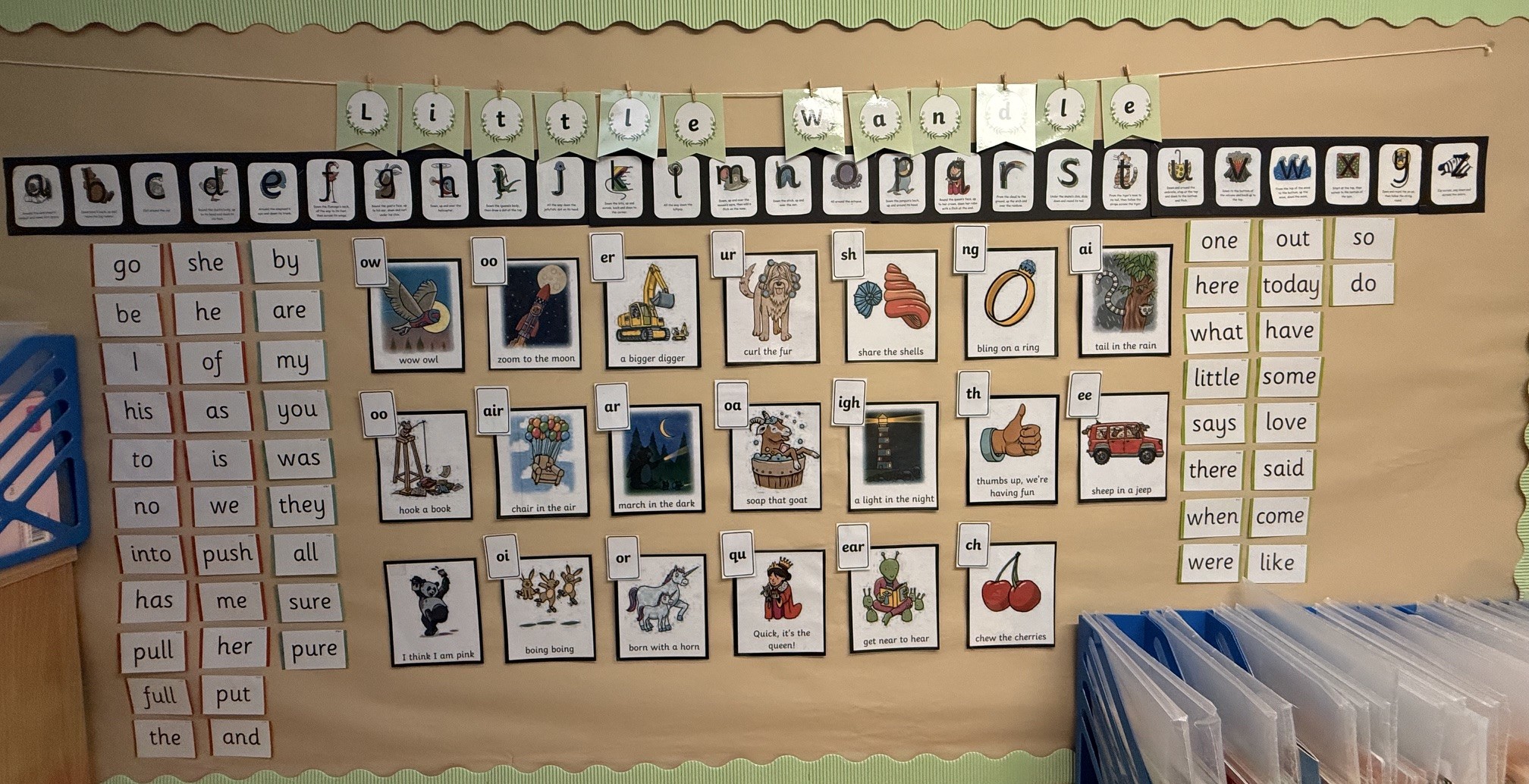
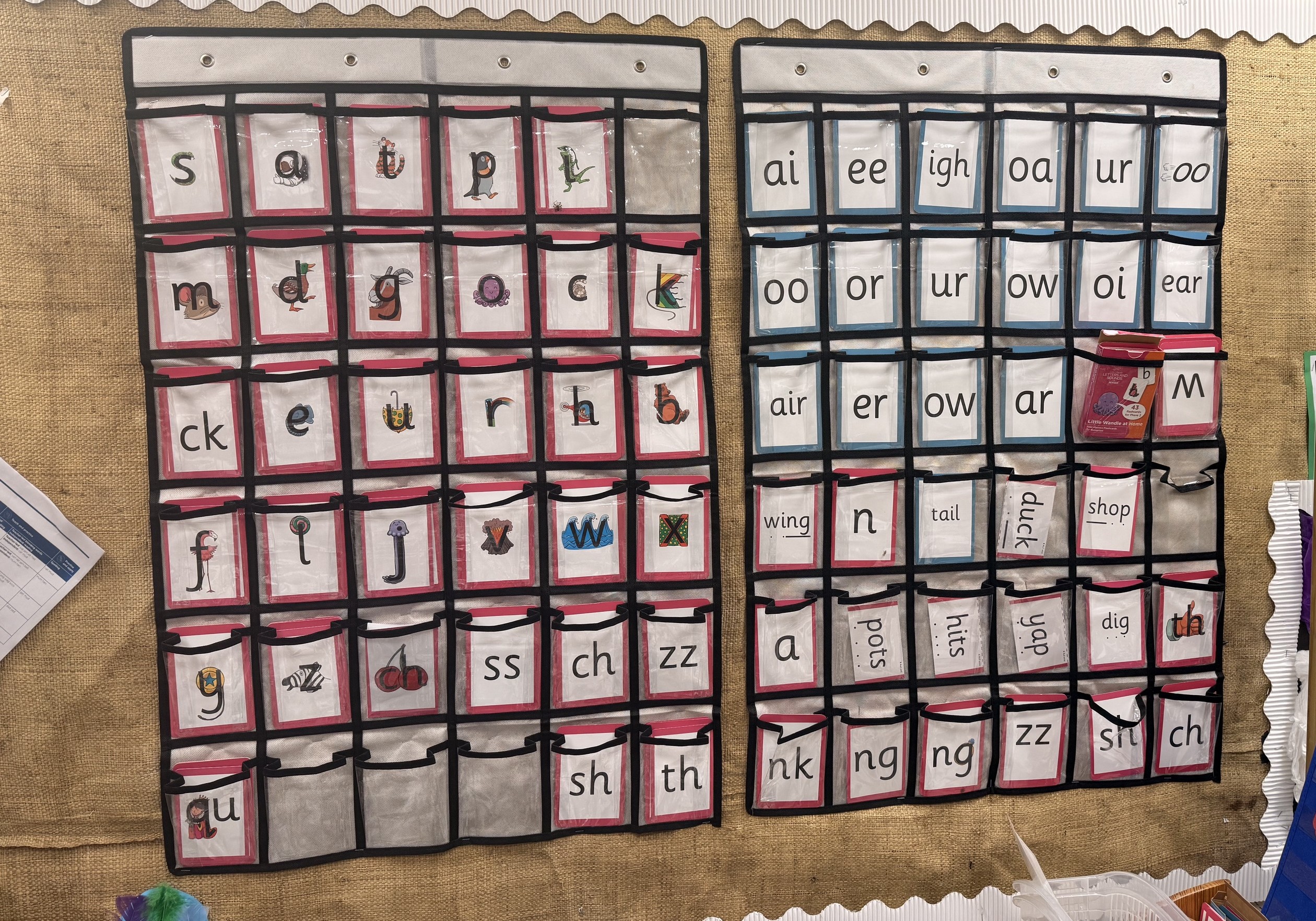
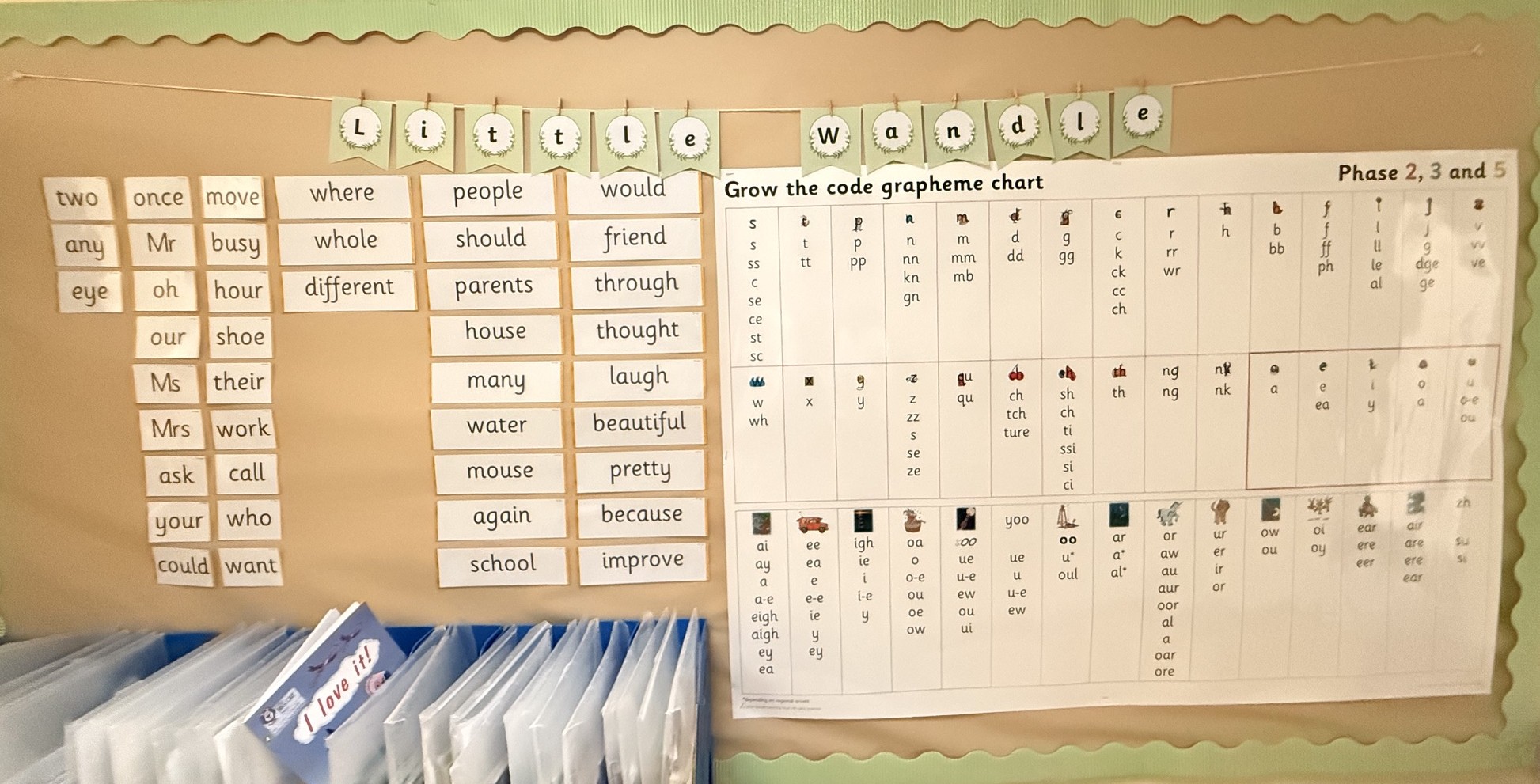
Fluency underpins both success and enjoyment in reading. Therefore, we develop strong foundations by teaching children to decode text using a systematic synthetic phonics programme (SSP) – Little Wandle Letters and Sounds - which ensures children build on their growing knowledge of the alphabetic code, mastering phonics to read and spell as they move through school.
Teachers carefully select a diverse range of fiction, non-fiction and poetry to nurture children’s understanding, vocabulary and love of reading.
Implementation
Phonics
Teaching of phonics begins immediately upon entry to Wentworth Primary School. In Foundation Stage, children begin short phonic sessions in Week 2, quickly building up to a half hour daily session.
In Foundation Stage and Year 1, phonics is taught for 30 minutes each day. Each Friday, teachers review the week’s teaching to ensure children are making expected progress. Any child who needs additional practice has a daily keep up session taught by a fully-trained adult. Keep-up lessons match the structure of class teaching, and use the same procedures, resources and mantras, but in smaller steps with more repetition, so that every child secures their learning.
Children will learn to apply their phonics to whole texts through carefully selected ‘decodable’ books aligned to the Little Wandle programme. Children will practise reading the decodable books at school, individually or as part of a small group with their teacher or teaching assistant. These groups will take place three times per week. The reading practice sessions focus on three key skills: decoding, prosody (reading with understanding and expression) and comprehension. Once the three guided sessions have been completed, they will take the same book home to practise, reinforcing fluency and confidence.
In Year 2, pupils will continue to be given banded reading books from the Collins Big Cat collection to develop fluency and reading stamina. Teachers will regularly assess pupils to ensure they are given books at an appropriately challenging level.
We timetable daily phonics lessons for any child in Year 2 or 3 who is not fully fluent at reading or has not passed the Phonics Screening Check. These children urgently need to catch up, so the gap between themselves and their peers does not widen. We use the Little Wandle Letters and Sounds Revised assessments to identify the gaps in their phonic knowledge and teach to these using the Keep-up resources – at pace.
For children in Years 3-6 with remaining gaps in phonics knowledge, we provide phonics 'catch-up' lessons. These short, sharp lessons last 10 minutes and take place at least three times a week.
Comprehension
Children begin to develop comprehension skills through weekly guided practice sessions with decodable books and shared reading sessions with their teachers and carers.
In Years 2-6, teachers will use guided reading sessions to develop comprehension skills. Teachers will make use of the Literacy Shed’s VIPERS resources to teach the different skills involved in reading comprehension: vocabulary, inference, prediction, explanation, retrieval and summary.
Teachers will use real books (full texts and excerpts) to develop children’s comprehension of different genres of text.
Reading Records
At Wentworth, we use Reading Records to encourage communication about reading between home and school. Children are expected to have their reading record signed three times each week by a parent or carer as part of their weekly homework. Older children are encouraged to write their own comments about the books they are reading at home, fostering independence and ownership of their reading.
Teachers and teaching assistants record regular comments in each child’s reading record.
Reading Records are checked weekly by the class teacher or teaching assistant.
Reading For Pleasure
All pupils have daily opportunities to hear a highly-skilled reader in action through daily read-alouds. These books have been carefully chosen to reflect the children’s interests, topics of study and insight into other worlds and cultures.
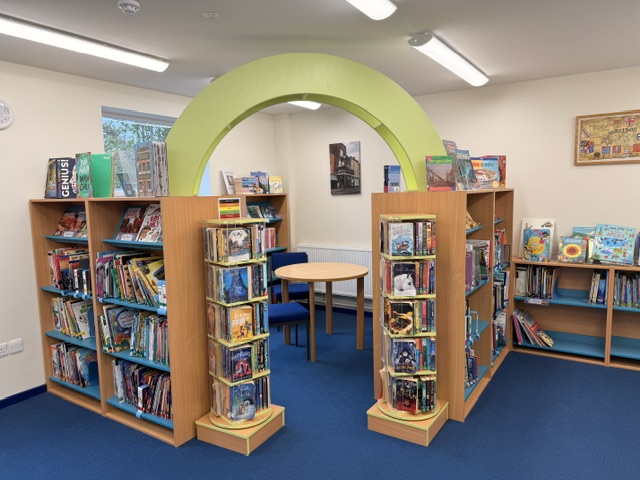
Children in EYFS and Year 1 will take home a sharing book alongside their decodable book. This is a book they cannot read on their own, but rather should be read to by a parent or carer. Once pupils are fluent readers, usually by Key Stage 2, they will independently choose their own reading books from the class and school library.
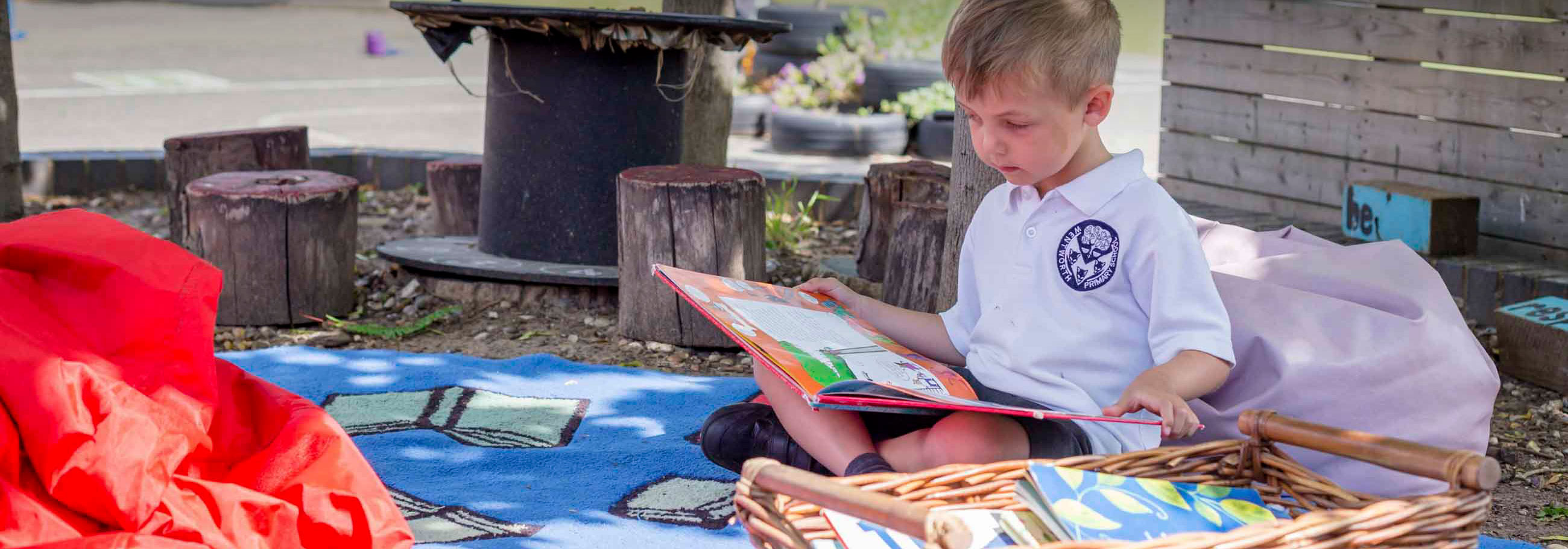
Every classroom in our school features an inviting book corner designed to inspire a love a reading. Books are carefully selected and displayed to entice the children to read.
All children have regular opportunities to engage with a wide range of Reading for Pleasure events: book fairs, author visits, walks to the local library, etc. We run an annual ‘Book Week’ which coincides with World Book Day in March.
Impact
Assessment is used to monitor progress and identify any child needing additional support as soon as they need it.
Assessment for learning is embedded in daily phonics sessions to identify children needing Keep-up support. Weekly review lessons assess gaps, address them promptly and secure fluency of GPCs, words and spellings.
Summative assessment is used half termly to assess progress in phonics, identify gaps in learning that need to be addressed, identify any children needing additional support and to plan the Keep-up support where needed,
Teachers in Years 1-6 use the Salford Reading Test termly to monitor children’s word reading ages.
Once pupils are fluent readers, the PIRA will be used termly to assess progress and attainment in reading comprehension.
The SLT regularly analyse data from the Little Wandle Letters and Sounds Revised assessment tracker, Salford, PIRA tests and Sonar to narrow attainment gaps between different groups of children and so that any additional support for teachers can be put into place.
Statutory Assessments
Children in Year 1 sit the Phonics Screening Check. Any pupil who does not pass in Year 1 will re-take the check in Year 2.
Children in Year 6 will sit the SATS reading tests.
Books for pleasure
Children may enjoy reading these books at home. They are listed by year group.